Digital innovation and safer alternatives: Empowering clinicians for better cessation outcomes


Welcome to Redefining Smoking Cessation!


Dear Esteemed Doctors,

As the conversation on tobacco harm reduction evolves, the focus now shifts toward how digital health technologies and ‘Safer Novel Alternatives’ (SNAs) can work together to enhance smoking cessation. With real-time monitoring, AI-driven risk prediction, and mobile support systems, clinicians now have more tools than ever to guide patients towards sustainable quitting success. This edition highlights the synergy between technology and SNAs—a crucial step in redefining cessation strategies for the future.


SNAs + Digital Health: A Powerful Combination


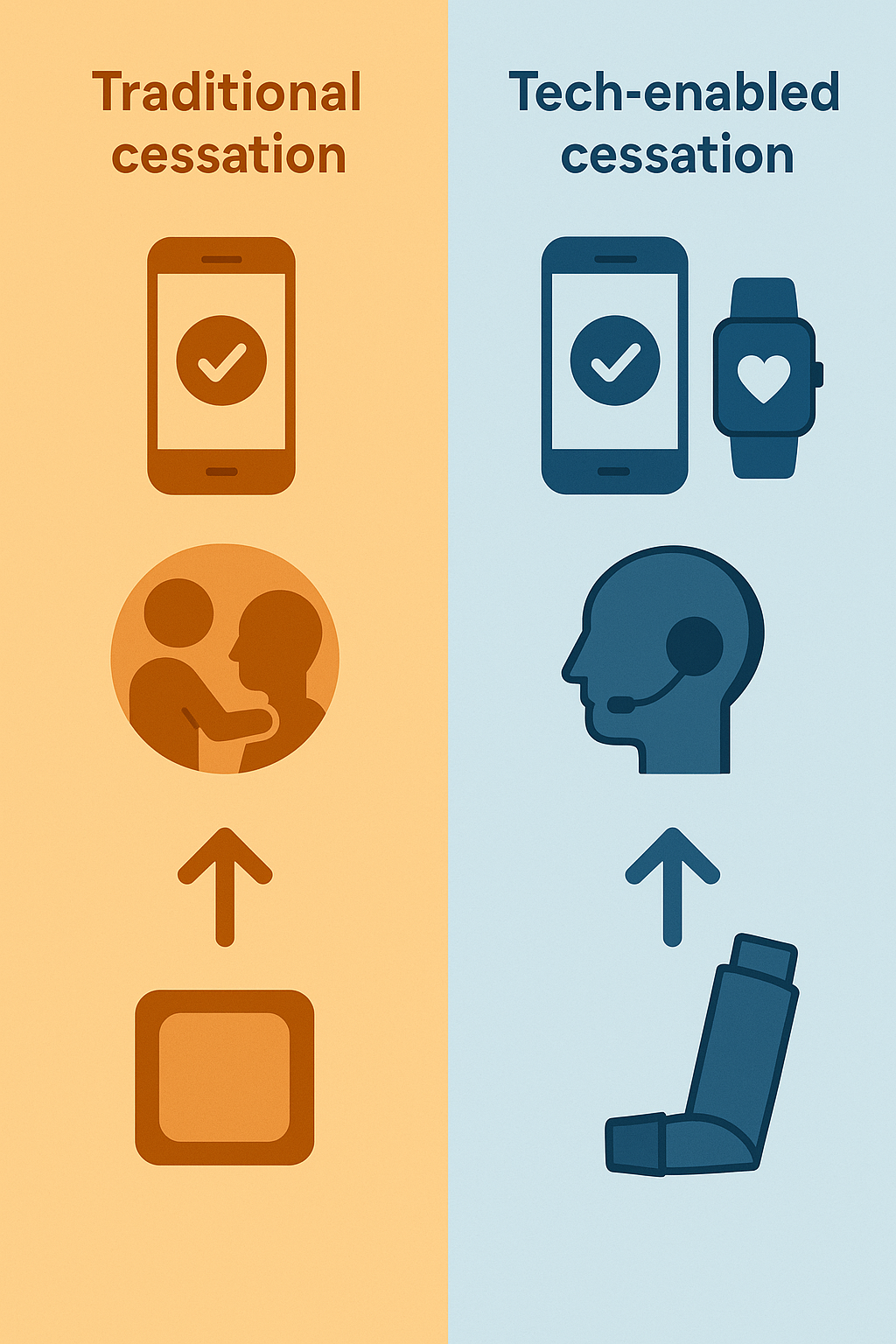
• Digital cessation apps increase quit attempts by 30–40% when paired with nicotine replacement or SNAs (Lancet Digital Health, 2024).
• Smart inhalers linked with mobile apps have shown 22% higher adherence in clinical trials (Nature Digital Medicine, 2025).
• Remote counselling combined with SNAs can double abstinence rates compared to traditional NRT alone (BMJ Tobacco Control, 2025).


Global Data at a Glance


• By 2025, over 140 million adults worldwide use safer nicotine alternatives (Global State of Tobacco Harm Reduction, 2025).
• The digital therapeutics market for smoking cessation is projected to reach USD 2.5 billion by 2027 (Markets & Markets, 2024).
• In the UK, combining SNAs with digital health tools reduced relapse rates by 35% within 12 months (Public Health England, 2024).


In the News
 
• FDA authorizes the first digital therapeutic for smoking cessation: QuitX, an AI-driven cessation app, showed 1.8x higher success rates in real-world trials.
• South Korea launches national telemedicine program integrating heated tobacco and digital monitoring for rural populations.
• WHO calls for responsible innovation: balancing digital adoption with strong safeguards against youth exposure.


India’s Next Step: Merging Tech with Policy
 
 
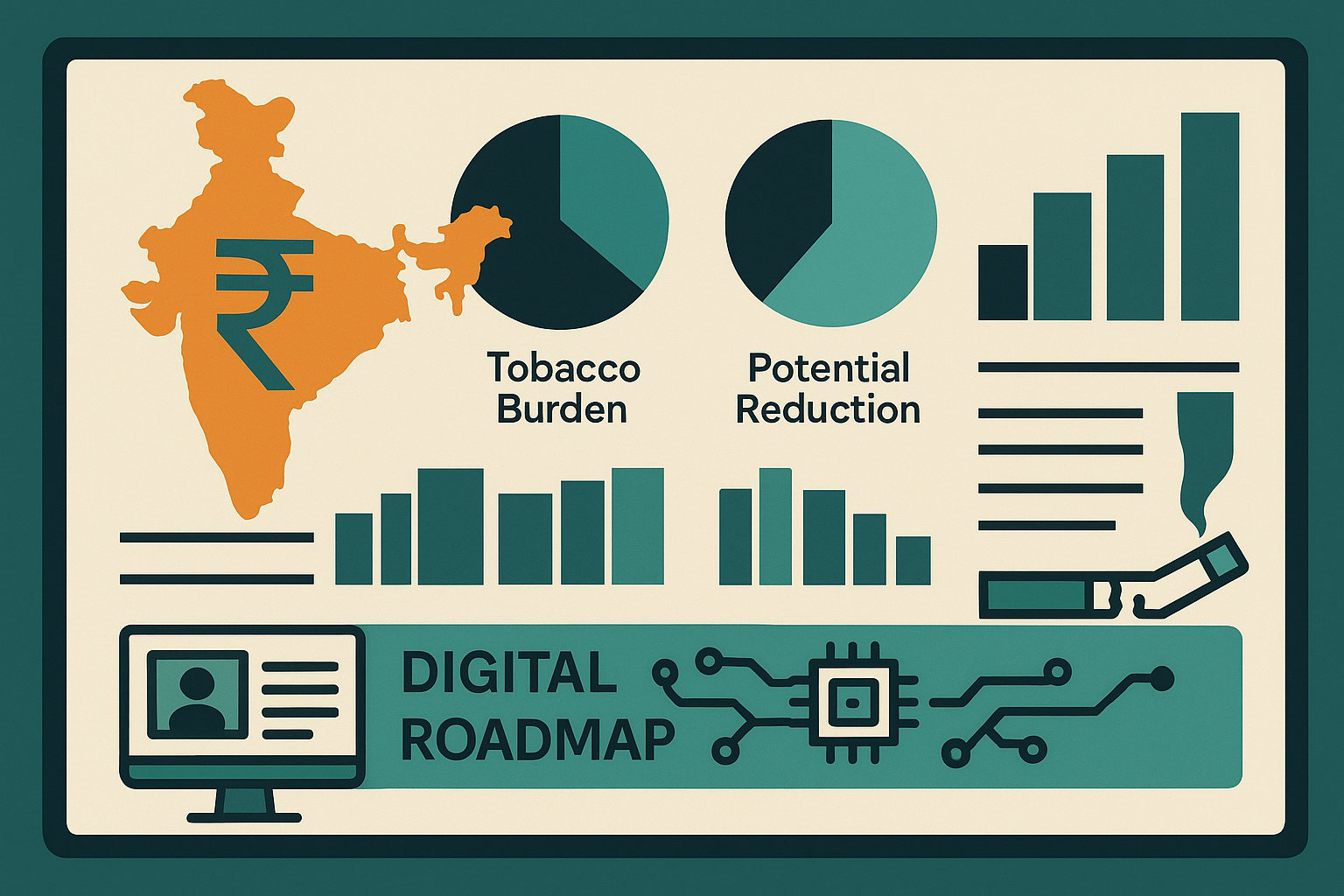
• India loses ₹1.82 trillion annually to tobacco-related diseases (MoHFW, 2024).
• With 29% adult tobacco prevalence, integrating regulated SNAs + digital cessation tools could reduce tobacco burden by up to 50% by 2035.
• Pilot projects in urban clinics using AI-driven cessation support + safer alternatives showed quit success rates above 40%.