Global lessons, local impact: The role of Safer Novel Alternatives in smoking cessation


Welcome to Redefining Smoking Cessation!


Dear Esteemed Doctors,
We are delighted to introduce Redefining Smoking Cessation — a monthly scientific e-newsletter committed to advancing tobacco cessation efforts in India. This platform aims to keep you abreast of the latest research findings, policy developments, global best practices, and emerging de-addiction strategies, including ‘Safer Novel Alternatives’.
Through this initiative, we seek to empower the medical fraternity with credible, evidence-based insights and practical tools to support effective clinical interventions and public health action.
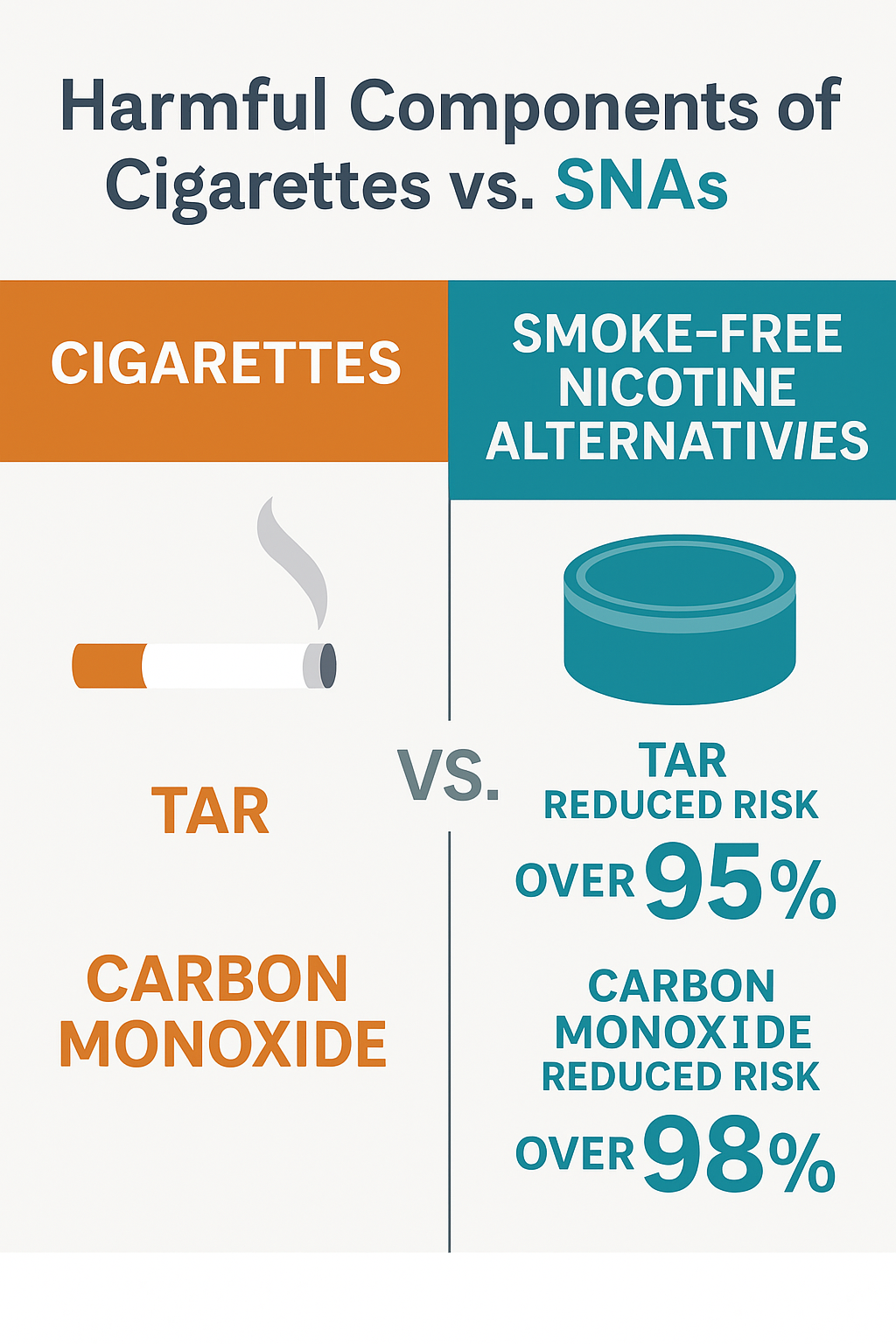


Safer Novel Alternatives (SNAs): A new frontier in smoking cessation


Safer Novel Alternatives (SNAs) include products like nicotine pouches and heated tobacco products, designed to deliver nicotine without the harmful combustion of tobacco. Unlike traditional cigarettes, SNAs do not produce tar or carbon monoxide, which are primary contributors to smoking-related diseases. Michael Russell, a pioneer in harm reduction, famously stated in 1976, “People smoke for nicotine, but they die from the tar. While not risk-free, SNAs are estimated to pose 5-10% of the risk of combustible cigarettes, making them a promising tool for cessation


Latest News, Regulatory Shifts and Global Perspectives on SNAs


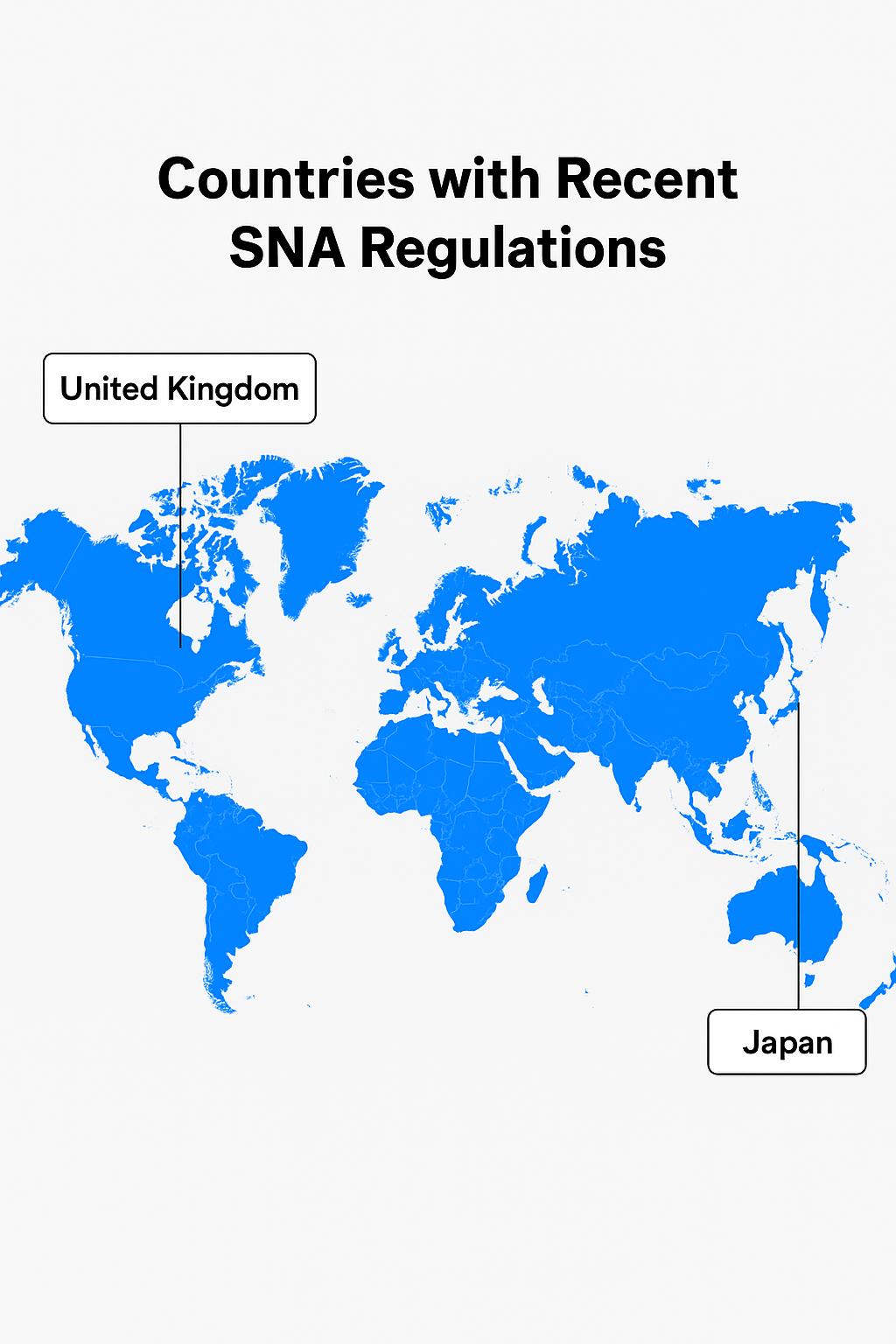
UK Advertising Ban on Heated Tobacco Products (June 15, 2025): Sainsbury’s and Morrisons faced scrutiny as the UK government enforced a 2002 law banning tobacco advertising, which now extends to heated tobacco products.
Health expert call (Sept 2024): Public Health leaders emphasise using HTPs and nicotine pouches in India, citing Japan’s 42 % reduction in cigarette sales due to HTP adoption.
Global market trend (May 2025): The worldwide nicotine de addiction market grew from US $30.9 b to $34.0 b in 2025, with e cigarettes accounting for nearly half of sales and expected to reach nearly $54 b by 2030.


Research Spotlight:
 
 
Cytisinicline (JAMA Internal Med, Apr 2025): Phase-3 trials are underway, exploring this plant based nicotinic agonist’s ability to reduce cravings with fewer side effects.
 
 
Frontiers review (2025): NRT remains helpful short term, but long-term success especially in adolescents is limited without behavioural support.
 
 
The 2024 alternative nicotine products reported a decline in youth use of alternative nicotine products from 10% in 2023 to 7.8% in 2024, while adult smoking fell to 11%, largely due to SNAs.
 
With a 22.3% market share in SNAs, Europe’s proactive cessation programs, like the NHS-led initiatives, have reduced smoking rates by integrating SNAs.
In the Asia-Pacific region, Japan has seen success with heated tobacco products, contributing to a decline in traditional smoking among its 300 million smokers.


Why India Needs Safer Novel Alternatives?
 
India is the world’s second-largest consumer of tobacco, with 72.7 million smokers and 199 million smokeless tobacco users (Global Adult Tobacco Survey 2016-17,. Tobacco-related diseases like TB are exacerbated by smoking, with smokers twice as likely to contract TB and over thrice as likely to die from it. Despite a decline in tobacco use among men in urban areas, cessation facilities remain inadequate .
 
 
Tobacco Control: India vs. Developed Countries


India
 
253 million tobacco users (2022); ~1 million deaths/year (indiaspend.com)
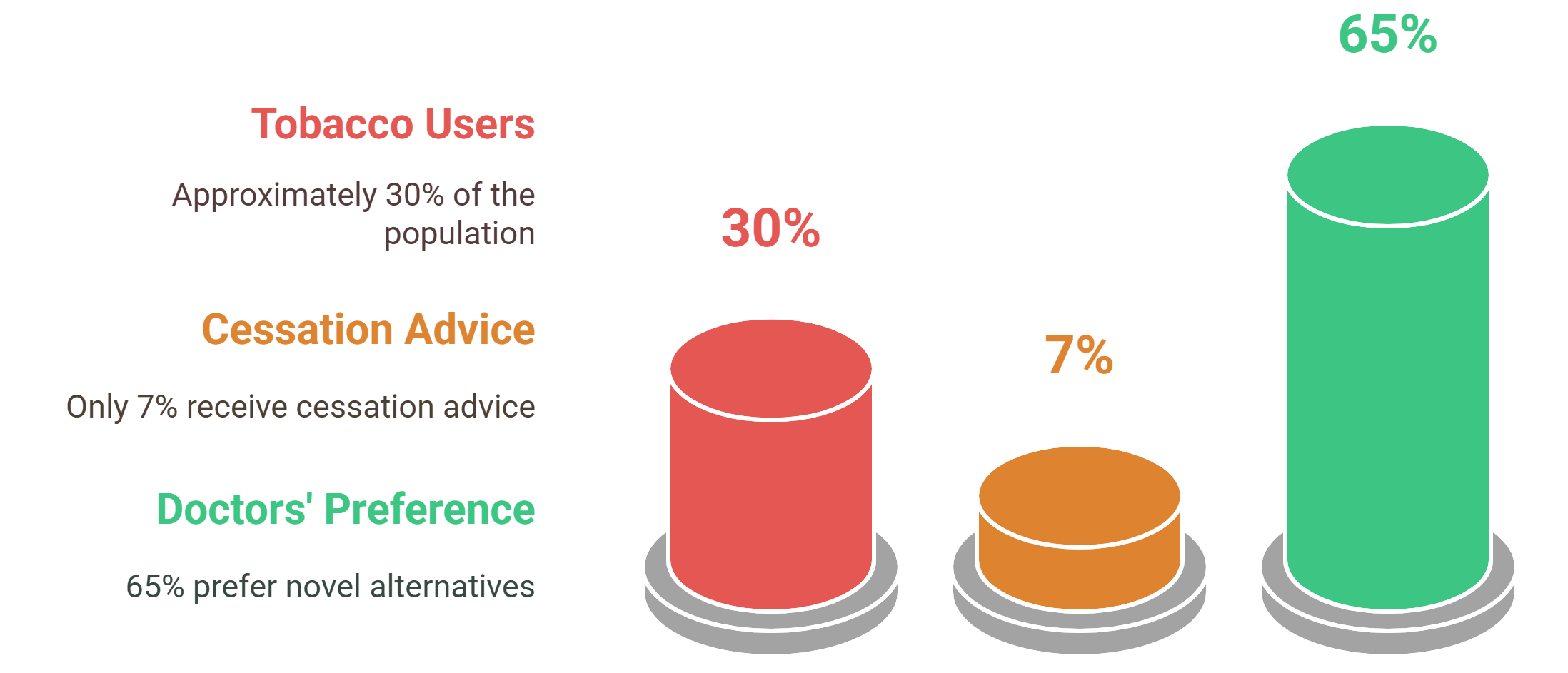
COTPA 2003 has gaps: ~30 % use tobacco; cessation ADVICE is low (7 %)
65 % doctors want novel alternatives .


Developed Countries
 
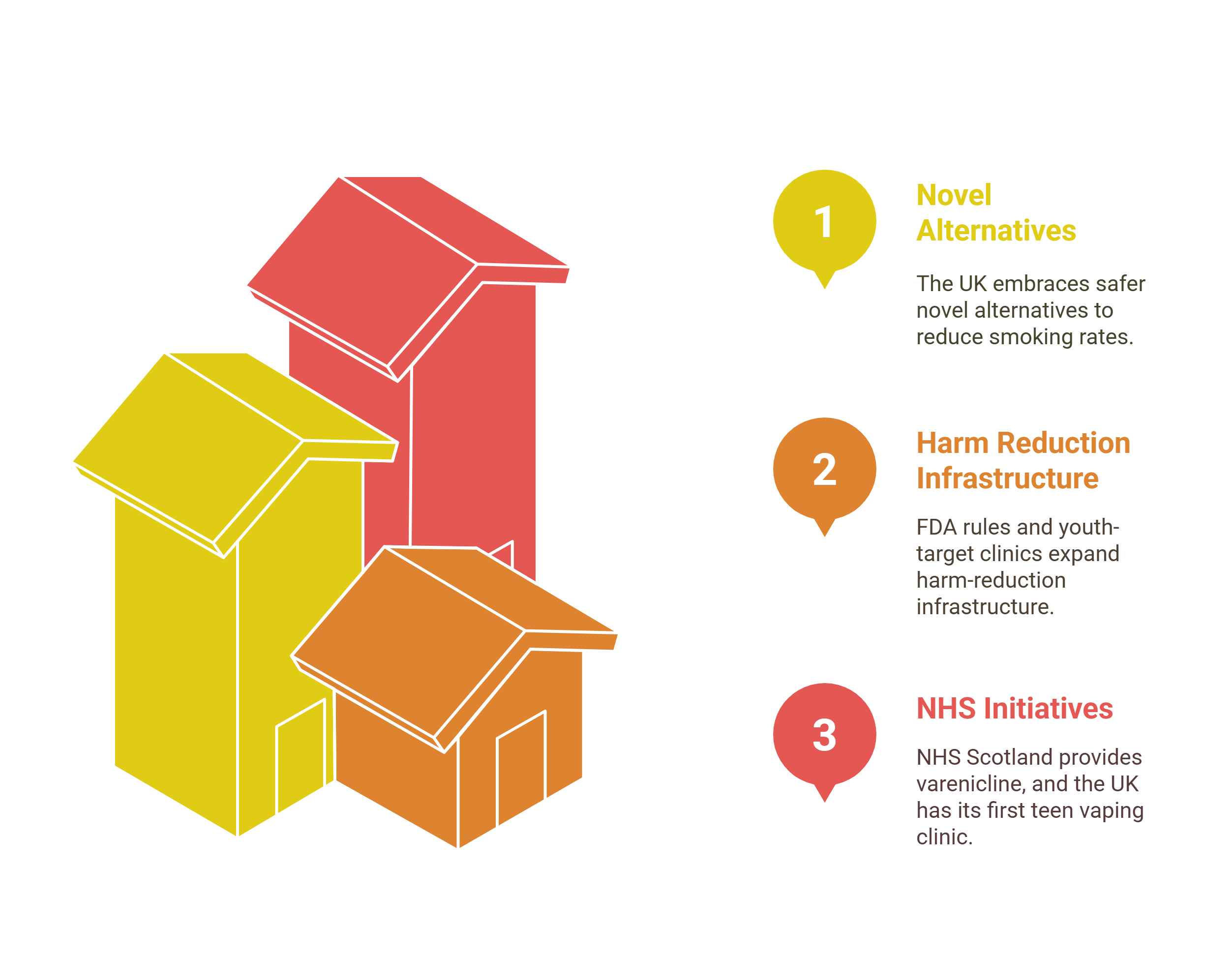
UK smoking at historic lows (~12.9 %) after embracing safer novel alternatives
FDA rule and youth-target clinics are expanding harm reduction infrastructure
NHS Scotland providing varenicline; UK’s first teen vaping clinic


Doctor’s Corner: Practical Steps to Support Patients
 
As doctors, you play a pivotal role in guiding patients toward cessation. Here are actionable steps:
 
Educate patients on evidence-based smoking cessation.
 
Pilot adaptive therapies and integrate digital support.
 
Advocate nationally for regulated, balanced frameworks.
 
Counsel using resources like the National Tobacco Quit Line for community-based support.